



What is smart manufacturing?
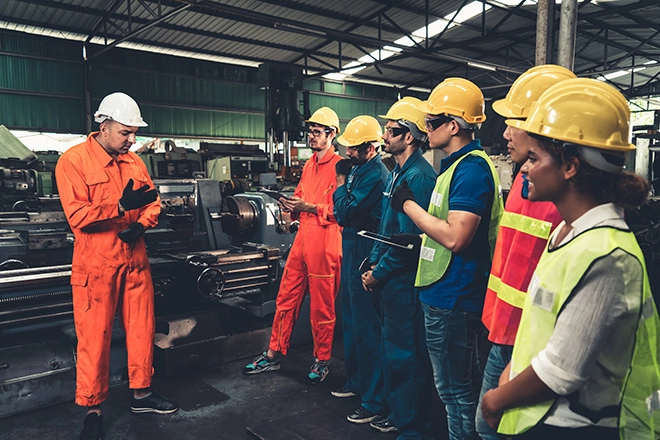
The term "smart manufacturing" can be a bit confusing, as it's used to describe a number of different technologies. In general, though, smart manufacturing refers to the use of sensors and other IoT devices in manufacturing processes. These devices allow for real-time analysis of data from machines and equipment--and sometimes even from people working on the assembly line--which helps companies optimize their processes and make better decisions about what needs fixing or replacing when something goes wrong.
Smart manufacturing also differs from traditional methods because it focuses on efficiency rather than just speed: instead of rushing through each step as quickly as possible without thinking about how they work together (and therefore creating waste), smart factories analyze how well individual steps interact with one another before completing them so that nothing goes unfinished at any point during production.
The benefits of smart manufacturing for the automotive industry
- Increased efficiency and productivity.
- Cost savings.
- Real-time visibility into the production process.
- Data-driven decisions that optimize performance, quality and safety while reducing waste, scrap and rework.
- Improved quality.
- Reduced errors and defects.
- Higher-quality products that meet customer expectations.
- Improved environmental performance.
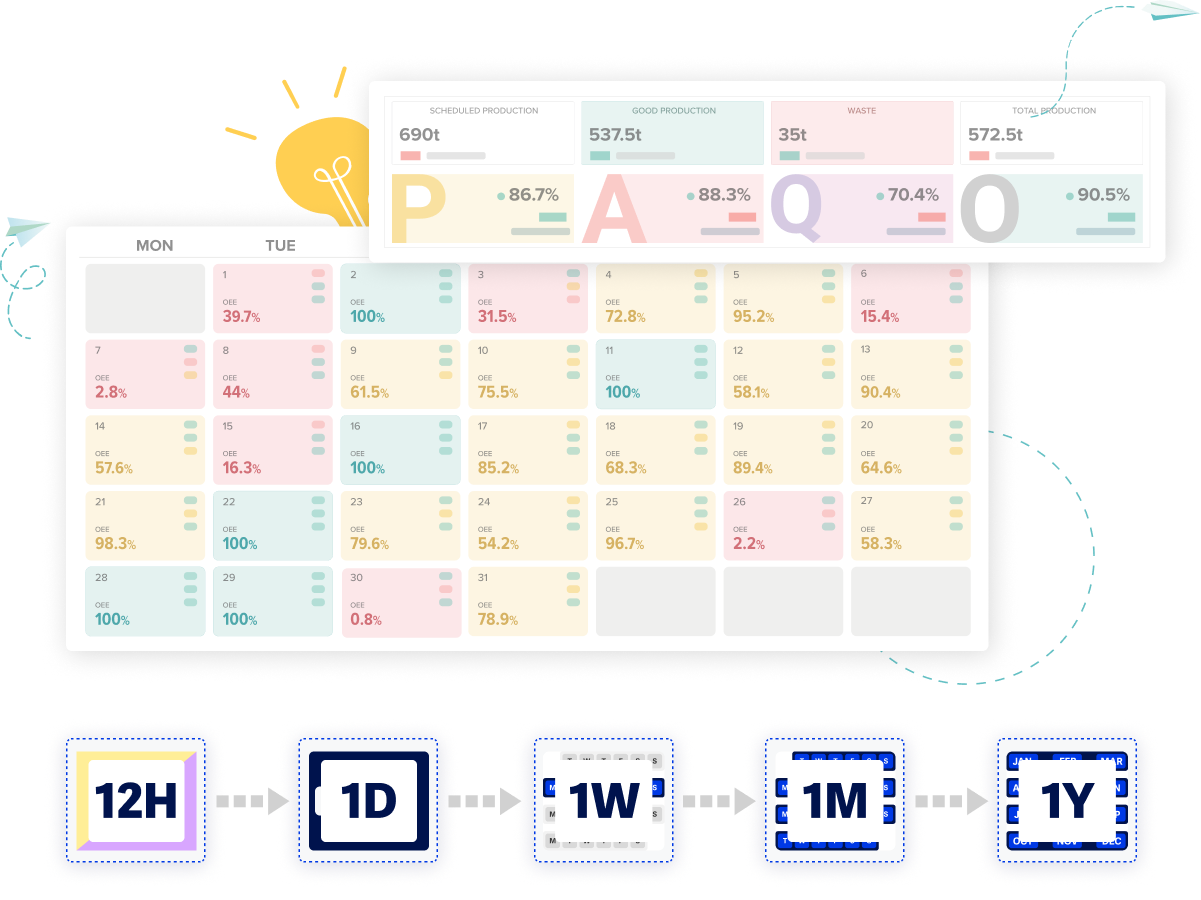
Data-Driven Decision with Smart Technology
Why implement a modern MOM and MES solution?
Implementing a modern Manufacturing Operations Management (MOM) and Manufacturing Execution System (MES) solution offers numerous benefits for manufacturers seeking to optimize their operations and stay competitive in today's dynamic market. These advanced software platforms provide a comprehensive suite of tools and capabilities designed to streamline production processes, improve efficiency, and enhance decision-making throughout the manufacturing lifecycle. By integrating MOM and MES solutions into their operations, manufacturers can gain greater visibility and control over their production activities, enabling them to better manage resources, reduce costs, and minimize waste.
One of the key reasons to implement a modern MOM and MES solution is to enhance operational efficiency and productivity. These systems enable manufacturers to digitize and automate critical production tasks, such as scheduling, resource allocation, quality control, and inventory management, leading to faster throughput, fewer errors, and higher overall output. By optimizing workflows and eliminating manual bottlenecks, MOM and MES solutions empower manufacturers to achieve greater levels of efficiency and productivity, allowing them to meet customer demand more effectively and drive business growth.
These systems provide real-time data insights and analytics that enable continuous improvement initiatives, helping manufacturers identify and address inefficiencies, optimize performance, and drive operational excellence across the organization.
Empowering a production line with real-time data
Data is the key to smart manufacturing. Real-time data is even better, as it allows manufacturers to make data-driven decisions that improve efficiency and reduce waste.
Data from a modern MOM and MES solution can be used in all aspects of production, including:
- Factory floor - Real-time information can be used by operators on the factory floor to help them troubleshoot problems as they occur, reducing downtime while increasing production quality at the same time.
- Labor management - Real-time data can be used to determine how many workers are needed for each shift, what tasks need to be completed and by whom. This allows you to make more efficient use of your workforce and reduce the amount of time it takes to finish a project.
- Quality control - Data collected during each step of production allows manufacturers to monitor their processes for any abnormalities or issues before they become an issue for customers or employees alike (i.e., preventing recalls). This information will also allow you to identify potential bottlenecks before they happen so that you can take steps towards resolving them before they affect your bottom line or reputation as a business owner.
- Supply chain management - By tracking the status of materials being shipped in or out of your warehouse, manufacturers can better understand where problems might arise in their supply chains (such as delayed shipment). This helps them avoid any unexpected disruptions that could lead to production delays or revenue loss.
Improve overall machine utilization
One of the main benefits of smart manufacturing is that it can help you to improve overall machine utilization, which means maximizing production capacity, reducing idle time and improving efficiency.
It can help you to reduce costs, improve quality and increase efficiency. It will also reduce the manual effort required by workers, which means that your staff will have more time to concentrate on other tasks.
Smart manufacturing is a term that describes an evolution in the way industrial processes are controlled. The concept of smart manufacturing is closely linked to IoT and automation. It involves using sensors, artificial intelligence (AI) and machine learning to automate tasks and make decisions based on data analysis.
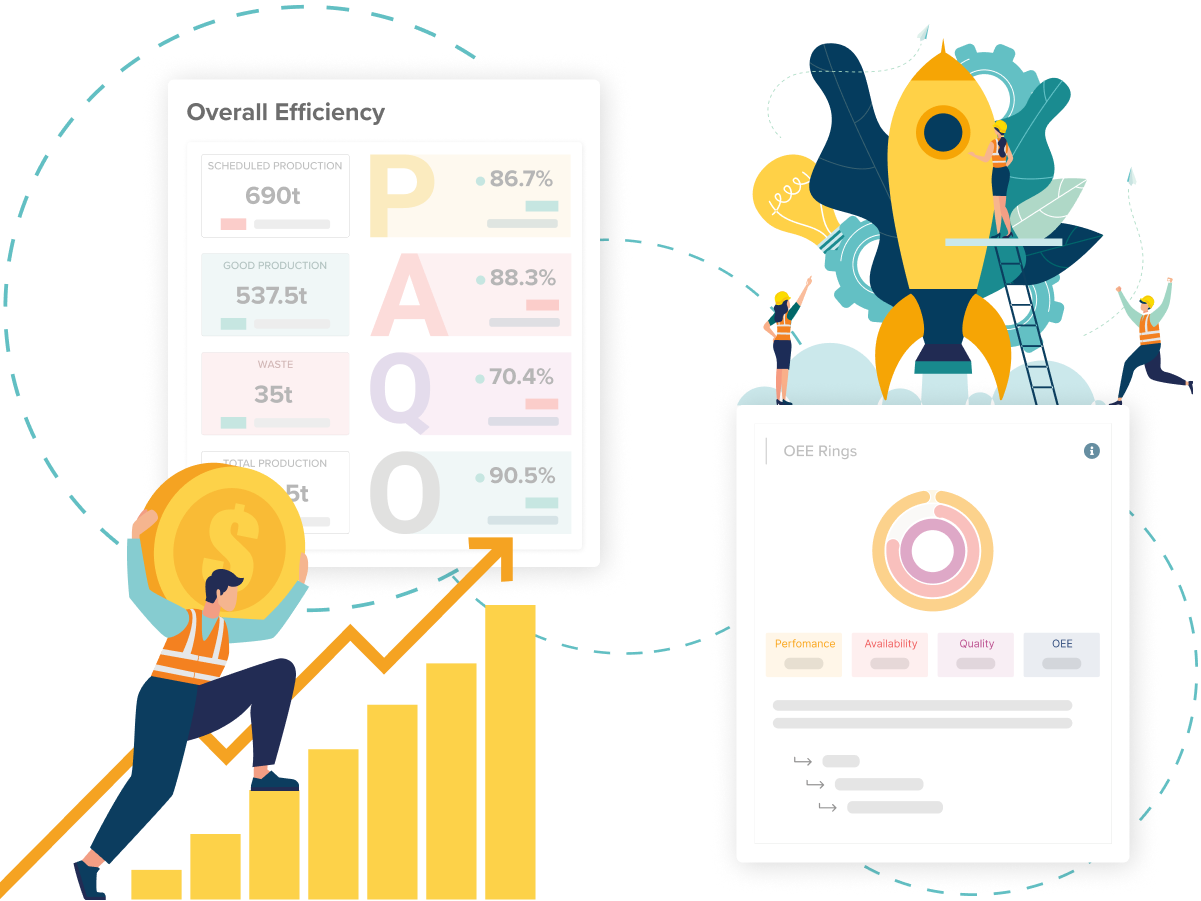
Increase production in Automotive Industry
Achieve a high-performance assembly line through flexible automation
A flexible automation system is one of the key components of smart manufacturing. It allows manufacturers to achieve a high-performance assembly line that can be adapted easily to changing demands and requirements.
Automation systems are often used in industries such as automotive, where they help improve efficiency and reduce costs by automating highly repetitive tasks such as welding or painting. However, they can also be used for more complex jobs, such as laser cutting sheet metal parts from rolls of steel sheeting. These types of machines typically require high levels of precision because they work with materials that need to be cut precisely so they fit together properly when assembled into finished products like cars.
Automation systems can be designed to meet the needs of any manufacturing process. They’re often used for tasks that require a high level of precision and accuracy.
Conclusion
The future of smart manufacturing is bright, as it will continue to grow in importance for auto manufacturers. The ability to make data-driven decisions with real-time information can help you increase productivity, efficiency and profitability in many ways. You can use this technology to streamline operations at every level from production planning through delivery of finished vehicles by tracking every step along the way.